 US Dollars
 Canadian Dollar
 Australian Dollar
 Euro
Euro

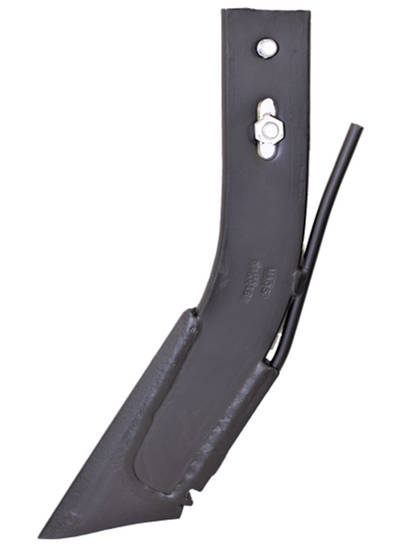
Dig Deeper: Finding the Right NH3 Knife for Maximum Efficiency
As the harvest season winds down and the fields begin to rest, smart growers are already planning their next move. Anhydrous ammonia (NH3) application remains one of the most cost-effective and nitrogen-efficient ways to prepare soil for high-yield crops—but getting it right depends on more than just timing. The fertilizer knife you choose can make or break your application.
At Barndoor Ag, we carry a variety of NH3 knives tailored to different soil types, tillage practices, and toolbar setups. Whether you’re side-dressing corn or strip-tilling next year’s soybeans, the right knife improves nitrogen retention, reduces loss, and helps your nutrients stay where they’re needed most.
Different Soil, Different Knife
No two fields are the same, which is why we offer a range of knives designed to match your soil and application strategy. Here's a look at the most common knife types and where they work best:
- Thin-Profiled Tillage Knives – Ideal for minimal soil disturbance. These are narrow, front-mounted knives often used with field cultivators or chisel shanks. Their design allows for tight row spacing and efficient wear resistance.
- Mole-Style Knives – These create a deep furrow, forming a tunnel-like channel that helps retain ammonia. Can often be paired with a vapor tube, they’re a great choice for medium to heavy soils needing better gas sealing.
- Front-Swept Knives – The curved design helps these knives slice through tough ground. They often feature separate tubes for liquid ammonia and vapor, giving you flexibility in how you apply.
- Backswept Knives – Perfect for high-residue or conservation tillage. Their shape promotes better sealing, making them a solid pick for side-dress and no-till applications.
- Universal Knives – As the name implies, these knives fit a wide variety of shanks and applicators, making them great if you're running multiple rigs or mixed equipment.
- Knife-Chisel Knives – These combine a knife profile with a chisel point, allowing for both deep penetration and effective placement. A smart option when soil conditions are variable.
- Side-Dress Knives – These are specifically built for mid-season side-dressing, delivering precision application alongside existing rows without damaging crops.
- Conventional Anhydrous Knives – The workhorse of NH3 application. Available with or without vapor tubes, they’re a straightforward solution for a wide range of setups.
- Strip-Till Knives – Built to disturb only a narrow strip of soil, these are perfect for operations practicing strip-till fertilization ahead of planting.
Application success comes down to how well the knife works with your soil type, toolbar, and moisture level. Lighter soils may require deeper placement, while heavier clay can challenge how easily you reach the ideal depth. No matter the conditions, sealing is critical—especially in drier fields where ammonia loss is more likely.
Spotlight on Wako NH3 Knives
When it comes to performance and longevity, Wako knives are among the most trusted in the field. Known for their heat-treated 5160 spring steel and durable chrome wear points, Wako knives deliver on both precision and durability. Here’s a quick look at a few of our most popular models:
- Wako MAG-50 – This versatile, all-purpose knife works well in a variety of soil types. It offers reliable wearability and medium soil disturbance, making it a favorite for farmers who want flexibility without sacrificing performance. We carry the Wako MAG-50 Fertilizer Knife with 3/8” Vapor Tube, and the Wako MAG-50 Fertilizer Knife Dual Tube and Protector, perfect for intensive application requirements.
- Wako MT-50 – A solid choice for strip-till operations, the MT-50 places nutrients deep into the soil while minimizing air pockets and soil disruption. It’s designed to maintain clean trenches that support better sealing and nitrogen conversion. Barndoor Ag offers the Wako MT-50 Fertilizer Knife with 3/8” x 3/4” Vapor Tube for dual vapor-NH3 application and the Wako MT-50 Fertilizer Knife with 3/8” Tube for single anhydrous ammonia application.
- Wako Mopher – Need something tougher? The Wako Mopher is the most aggressive knife in the lineup. Designed for hard-packed or rocky soils, it excels in deep, high-pressure applications and is especially effective in strip-till systems that require both precision and cutting power. We carry both the Wako Mopher Fertilizer Knife with 3/8” Tube as well as the dual application knife, Wako Mopher Fertilizer Knife Dual Tube and Protector.
Each Wako knife is designed with real-world challenges in mind—whether you're working around wet spots, compacted soil, or sandy fields with low retention. Their wear-resistant build and thoughtful designs help ensure every pass counts.
Key Considerations Before You Hit the Field
Before selecting your NH3 knives, take a moment to review your soil conditions, equipment, and nutrient strategy. A few important reminders:
- Application depth matters. Aim for 6–8 inches minimum, and go deeper in lighter soils to reduce volatilization risk.
- Watch for ammonia odor. If you smell it, you're likely losing nitrogen. That usually means a deeper cut or better sealing is needed.
- Soil moisture changes everything. Too dry? Ammonia escapes through air gaps. Too wet? Poor sidewall sealing can cause just as much loss.
- Match knife design to soil type. Sandy soils may benefit from mole-style or deep-placing knives, while heavy clay may work better with backswept or front-swept designs.
Built to Work. Ready to Ship.
At Barndoor Ag, we know that every farm has different needs. That’s why we stock a full lineup of NH3 knives—from universal tillage styles to advanced strip-till models from brands like Wako. Whether you’re replacing worn blades or reconfiguring your entire bar, we’ve got the inventory and expertise to get you back in the field fast.
Not sure which knife fits your setup? Reach out to the Barndoor Ag team. We’ll walk you through your options and help you choose the right tool for a clean, efficient application season.